Ages 7–14

Real-world skills — built one brick at a time.

They imagine a game, direct AI to build it, and fix it till it plays the way they pictured — the most fun, engaging way to learn imagination, problem-solving and clear expression. Your kid grows up knowing what it means to build something. No coding, first game in about 20 minutes — live on the internet, at their own address, free.

Start their first game — free
10,000 free Sparks* · No card · See how our classes work →
*Free Sparks for the first 1,000 sign-ups.
Real-world skills, built the fun way Imagination Problem-Solving Clear Expression
3dcarrace.ariantra.com ● LIVE

Every game here started in a kid's head

Not demos. Not templates. Real games imagined and built by real kids — playing right now at their own web addresses. Play a few. That's the whole pitch.
Aeroplane
▶ Play
AeroplaneAction
M
Myra, 9DelhiParents: Raja & Ruth
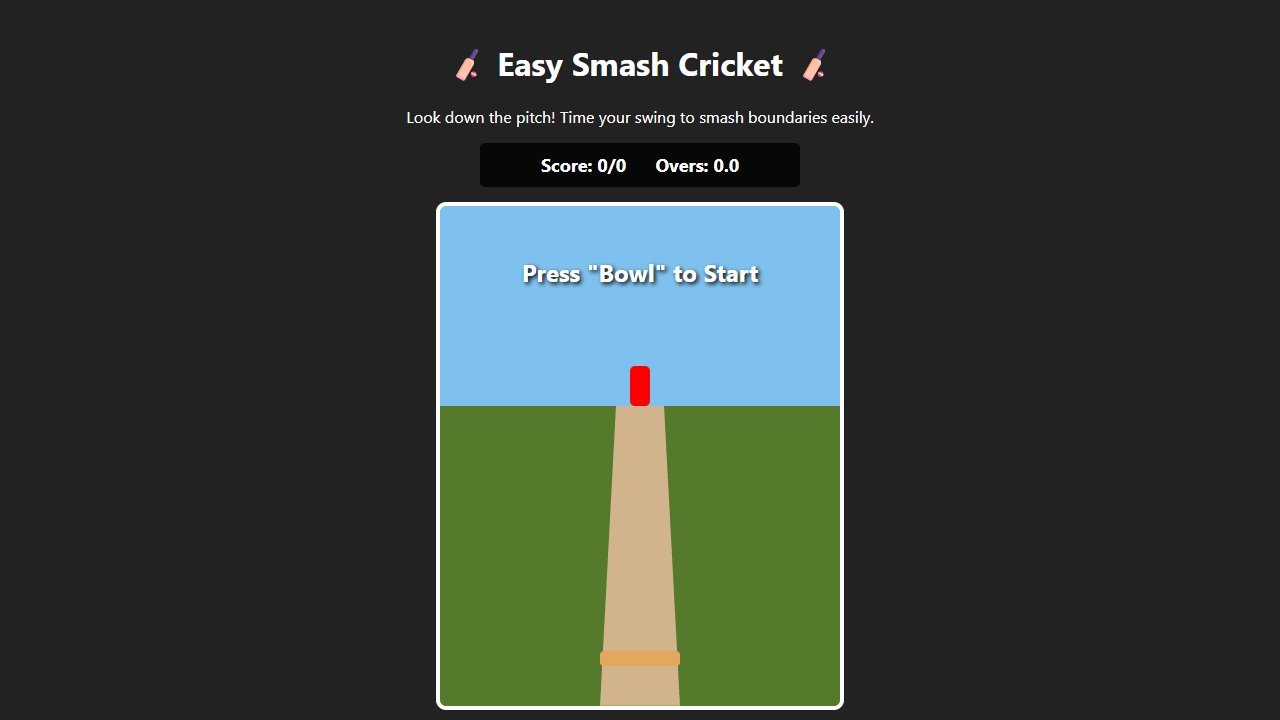
Cricket
▶ Play
CricketSports
A
Atharv, 9BangaloreParents: Amit & Ashwini
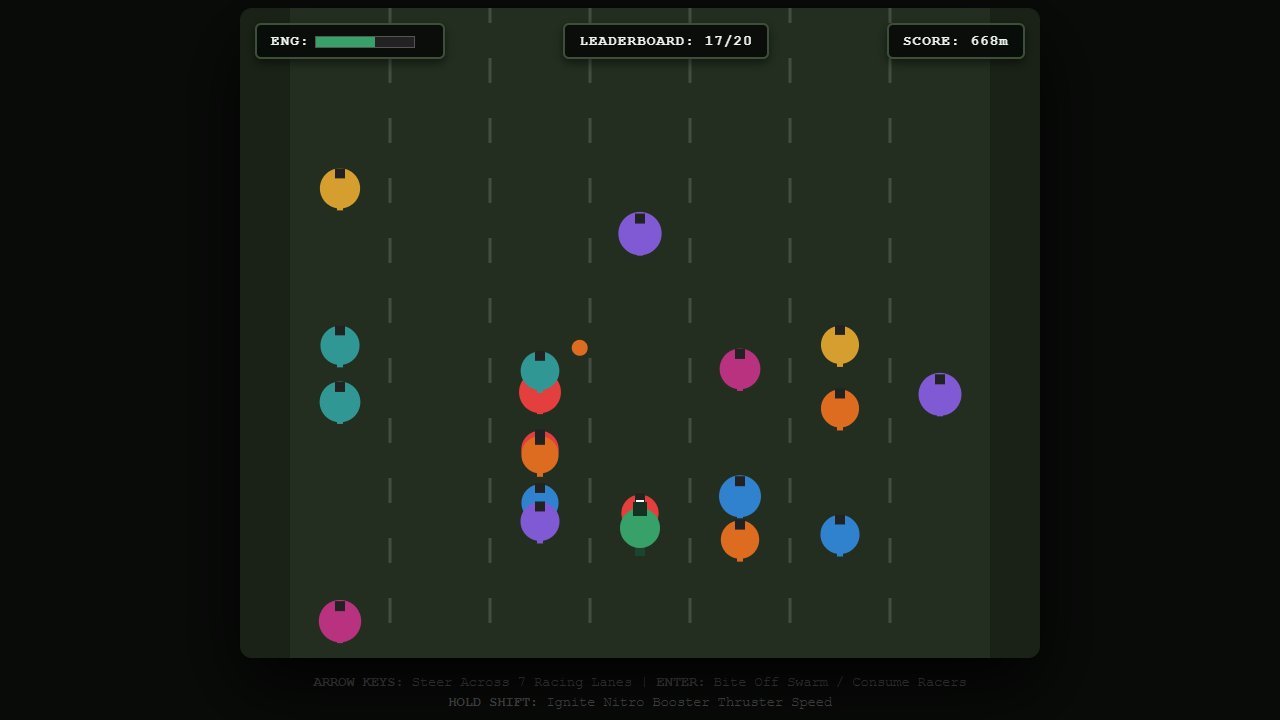
Dino Race
▶ Play
Dino RaceRacing
A
Amala, 7Delhi
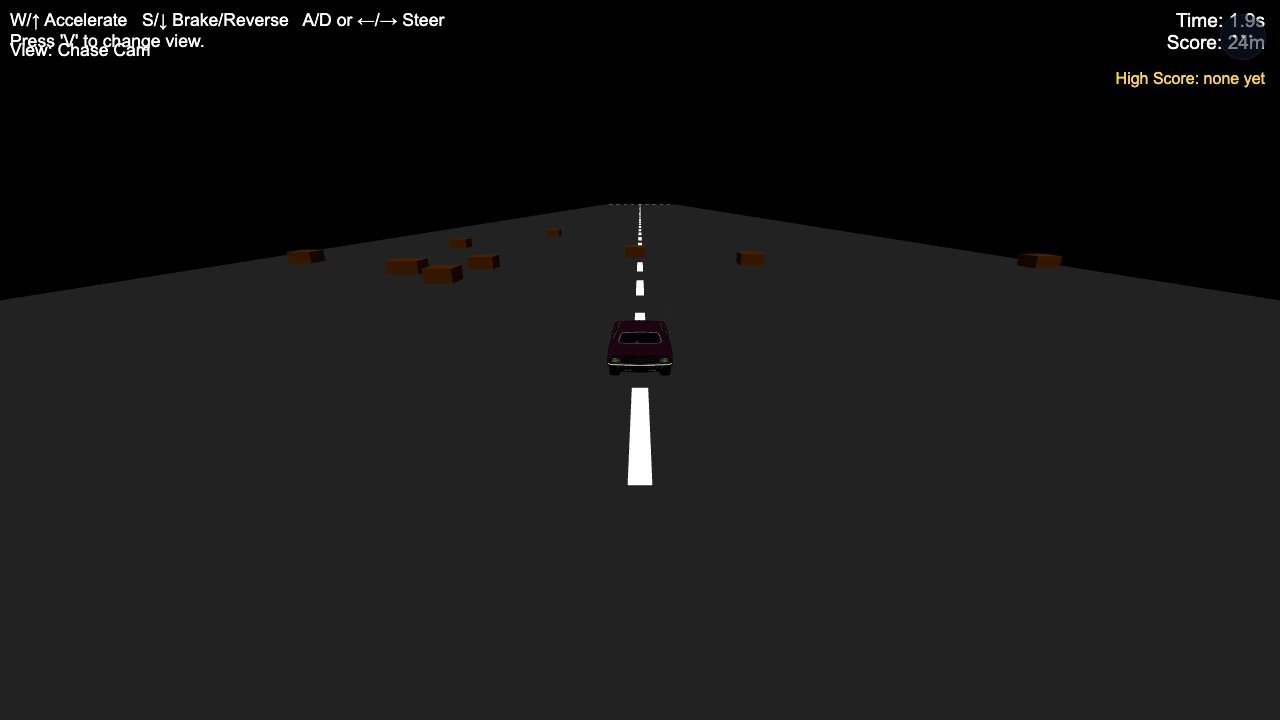
Agil 3D Car Race
▶ Play
Agil 3D Car Race3D Racing
A
Agilan, 10DelhiParents: Ashok & Uma
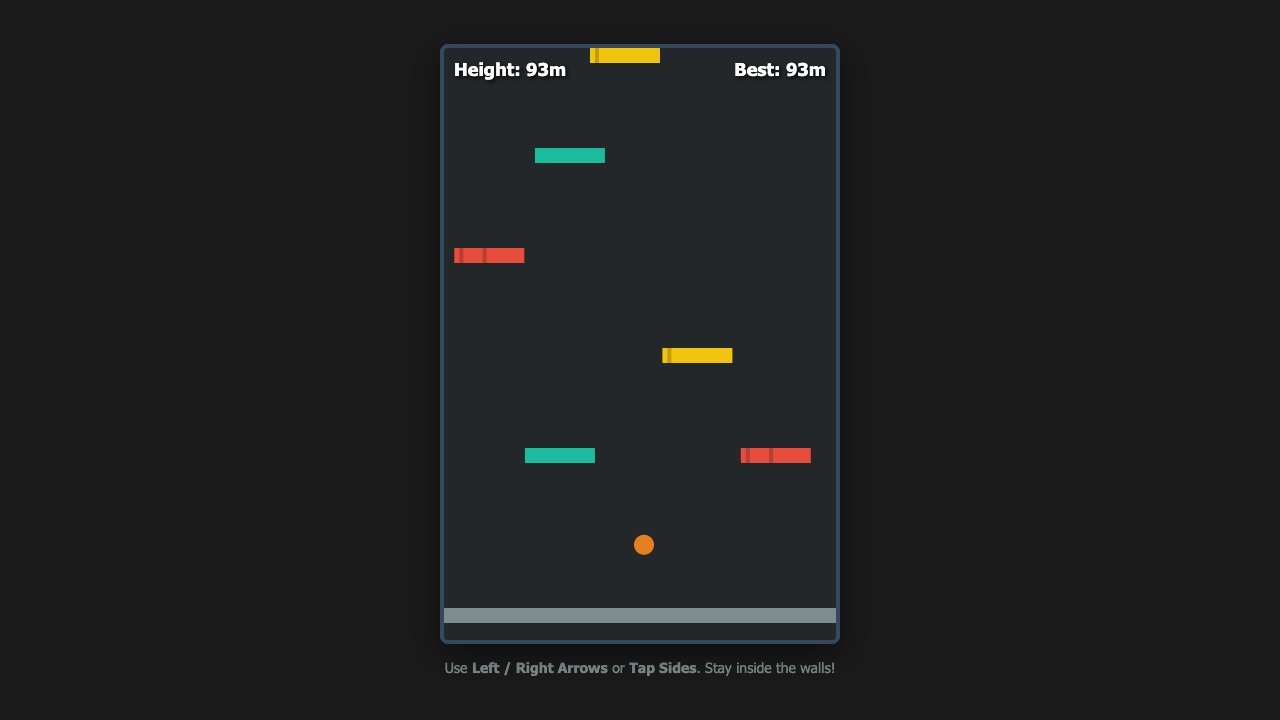
Climbing Ball
▶ Play
Climbing BallArcade
A
Atharv, 9BangaloreParents: Amit & Ashwini
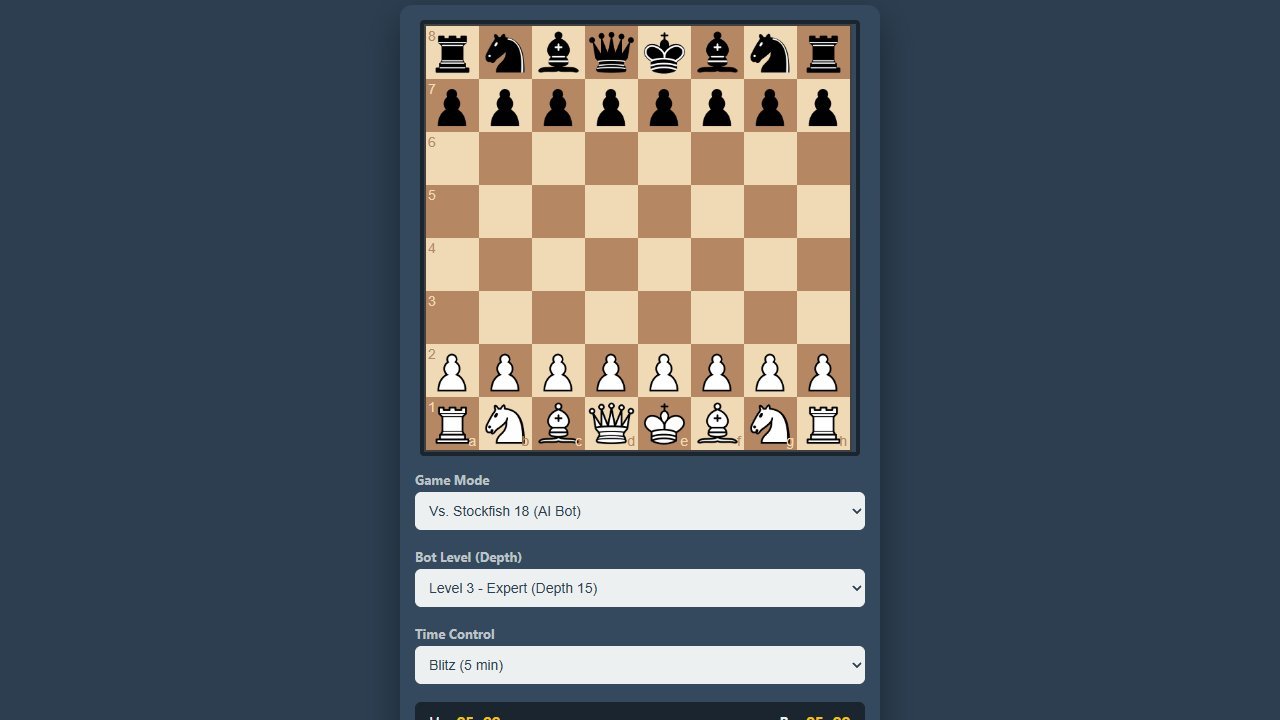
Chess
▶ Play
ChessStrategy
A
Agilan, 10DelhiParents: Ashok & Uma
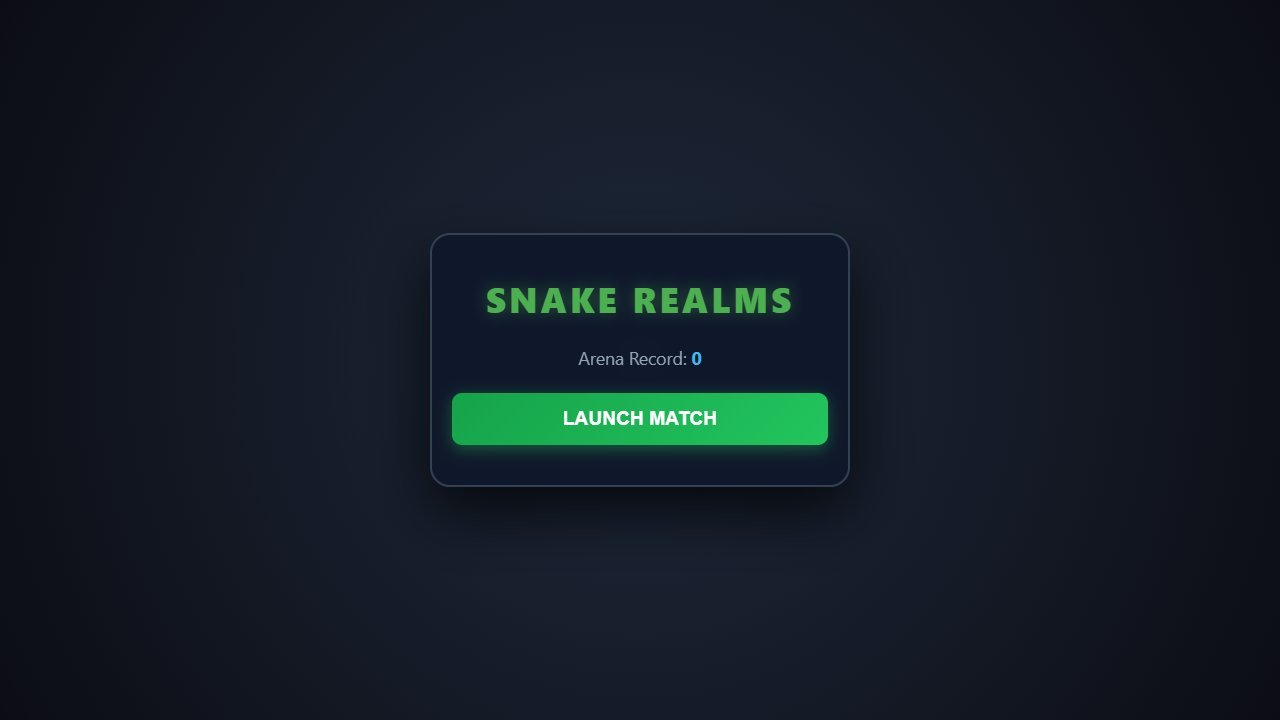
Snake Realms
▶ Play
Snake RealmsClassic
A
Amala, 7Delhi
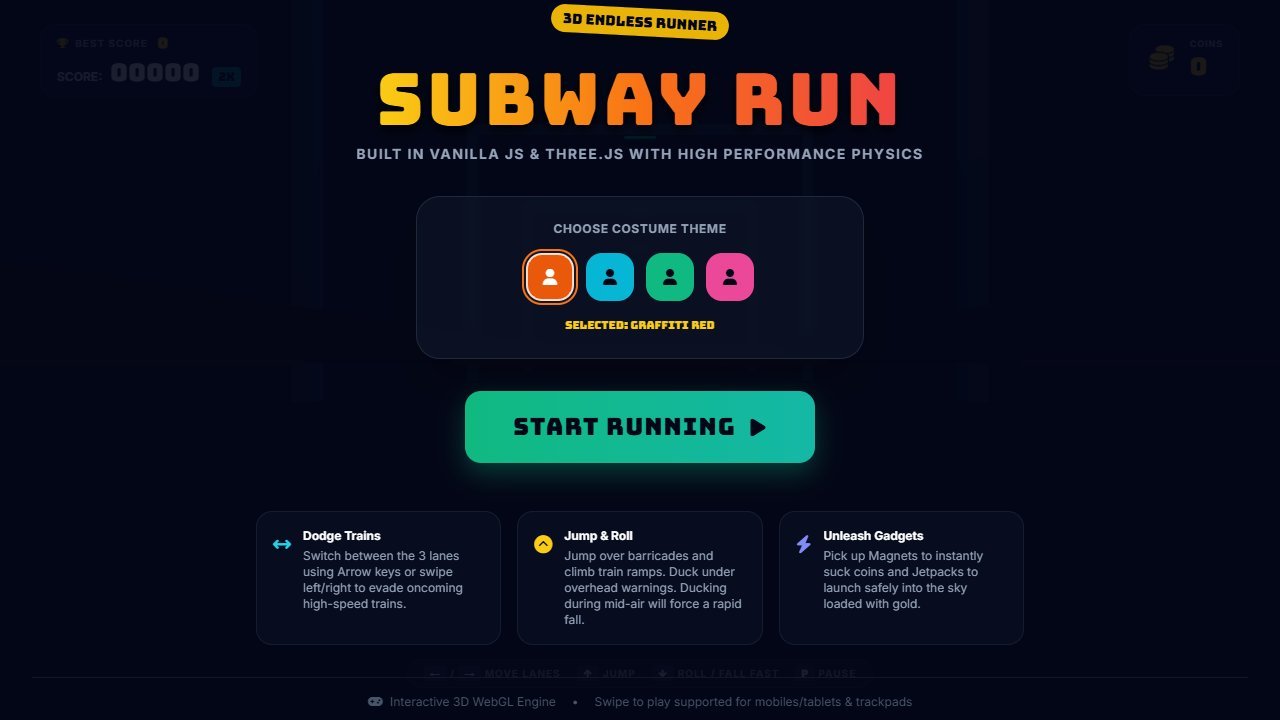
Subway Surfer
▶ Play
Subway SurferRunner
A
Agilan, 10DelhiParents: Ashok & Uma
There’s more where these came from Browse all games in the Ariantra Arcade

Three things a game teaches
that nothing else does

Imagination — made real

A blank screen and whatever's in their head. No template, no example to copy. They imagine a world and watch it become something they can play.

  • Inventing characters, worlds and game rules
  • Asking "what would make this more fun?"
  • The first time an idea of theirs became a real thing

Problem-solving — the hard, useful kind

The game in their head is never the game on the screen at first. Closing that gap — find it, name it, fix one thing, go again — is the work.

  • Spotting bugs by playing their own game
  • Breaking big problems into small ones
  • Trying another way instead of giving up

Clear expression — saying exactly what they mean

The game only comes out right when the ask goes in right. They learn to put the picture in their head into words precise enough that someone else could build it.

  • Describing an idea so it can be built
  • Being specific when something's wrong
  • The skill behind every essay, pitch and question
The AI makes all three possible in an afternoon instead of a decade. Your kid directs it; it builds what they say, not what they meant. But the tool is the tool. The imagination, the words, and the problem-solving are theirs.

From "I have an idea"
to a game on the internet

1

They imagine it

"A dino race where lava falls from the sky." That's the whole input. They tell Ari, our kid-safe AI, and a playable version appears in minutes.

2

They fix it

It's never right the first time. Too fast, too easy, the jump won't work. They spot what's wrong, describe it, try again — round and round until it plays the way they pictured.

3

It goes live — free, with one click

One click, and their game is on the internet at a real address — dino-race.ariantra.com — that they can send to their cousin. Publishing is free, hosting is free, and the game stays live forever. That's the moment they don't forget.

🌐 A real web address 🆓 Free to publish & host ∞ Stays live forever

Watch the skills in action

No edits, no script — just real sessions. Watch a kid imagine, prompt, test and fix her own game, and see how we teach: asking questions, never touching the keyboard.

A kid builds her own game

Amala, 7 · Delhi · built with AI as her developer

Inside a live session

Ashok teaching Atharv · live over Google Meet

Three ways in

On their own

Buy Sparks, build whenever they want. Sparks never expire, and every build costs the same — so a kid always knows where they stand.

In a class

A small group, a teacher who asks questions instead of touching the keyboard, and Sparks bundled in — so they leave with credit to keep building through the week.

Free, to see if it clicks

Their first 10,000 Sparks are on us — enough to finish and publish a real game, no card, no call. A one-time ₹120 pack adds 12,000 more when they want to keep going. If they surface two hours later still building, you'll know.

What a class gives them that building alone can't: Level 1 ends with a game six people play at once. Level 2 is one game built by six kids together. Neither works from a bedroom.

Not a limit.
A reason to think first.

A kid with unlimited tries doesn't think — they guess, look, guess again.

Every build costs the same, so it's worth a moment's thought before asking. That moment is the whole skill: kids who have to be precise get good at being precise. It's the difference between firing off guesses and planning the ask.

And nothing your kid makes ever disappears — publishing is free, hosting is free, and every game stays live at its address, forever.

More about how Sparks work →

Start free. Grow at your pace.

Every kid begins with 10,000 free Sparks — enough to finish and publish a real game, no card, no commitment. The one-time ₹120 pack adds 12,000 more when they want to keep going. Publishing is free and every game stays live on the internet forever, at its own address. From there: Sparks packs from ₹120 (one-time trial) then ₹500, or classes from ₹6,500 only — with a teacher who never touches the keyboard.

See classes & pricing →

Interested in classes? Leave your number — we'll call you →

Built by parents

This started when I watched my own son imagine a game, build it, and come back the next day wanting to build another. I thought every kid should get that.

AN
Ashok N

“Knowing how to use AI will matter for our kids the way reading and writing did for us — and I believe building games is the best way to learn it. My mission is to touch a billion kids’ lives, through this platform and beyond, and make a real difference in every one of them.”

NIT Trichy IIM Kozhikode

Questions parents ask

Just a laptop or desktop and a stable internet connection. No software to install, no accounts to create beforehand. We handle everything in the first session.
7 to 14 years. Old enough to have their own ideas, young enough that building something still feels like magic. We've seen kids on both ends of that range absolutely thrive.
No. Zero coding knowledge required. Your kid describes what they want to build and the AI builds it. The skill they're developing is how to think — not how to type code.
Sessions are 60–75 minutes, fully online, six kids with one teacher. The first few minutes: your kid decides what to build. Then they build it, with the teacher asking questions — never touching the keyboard. Last ten minutes: we invite you to join and your kid explains what they made.
Just the last ten minutes. That's when your kid presents what they built. We ask that you're there for that part — it matters more than it sounds.
Sparks are what your kid spends to build — 1 Spark = 1 paisa, and every ask is metered: your kid pays for the AI work it actually uses, with the exact ⚡ shown after each one. For a 2D game, a first playable version is about ₹6–8; a finished game about ₹30–45 (3D games ask more of the AI and cost about 3× — see the Sparks page). The free 10,000 Sparks are enough to finish and publish a real game, and the one-time ₹120 trial pack (12,000 Sparks) is the cheapest way to keep going after that. Publishing and hosting are free, forever. Full details on the Sparks page.
Nothing is deleted — every game they've published stays live at its address, free, forever. If they want to keep building, you can top up from ₹500 on your own account (we never show kids a buy button), or join a class, which comes with a big Sparks bundle included.

Their first game is one idea away.

Their imagination. Their game. Their name on it.

Start free — 10,000 Sparks
Free for the first 1,000 sign-ups · No credit card · Questions? We'll call you
Built by a kid Game
Loading game…
Talk to us